

What types of color flashing patters are more required for led warning lights for special-purpose vehicles
27-06-2026
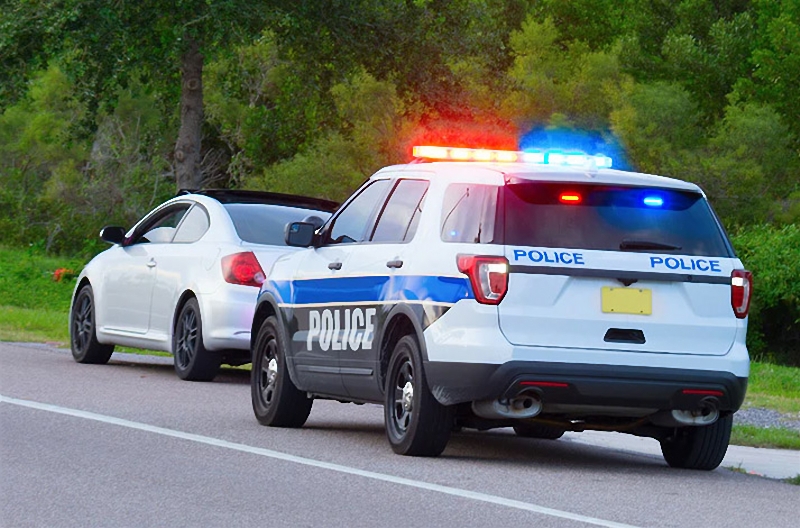
Led warning lights depend entirely on the requirements of the special-purpose vehicle. According to some international standards such as SAE J595 / J845 (Society of Automotive Engineers) and NFPA 1900 (National Fire Protection Association), the required LED flashing patterns are often classified into two distinct types: Clearing the Right-of-Way (Responding) and Blocking the Right-of-Way (Stationary/On-Scene).
When a police car or fire truck is moving and trying to clear traffic by the way of siren, it means maximum urgency and high-speed visual disruption. Basically, the most popular strobing patterns are Quad Flash or Ultra-Fast Strobe, Alternating Side-to-Side (Phased Flashing), Intermittent White Injections (Wig-Wag).
This quad pattern fires a rapid succession of four fast bursts followed by a tiny pause, repeated continuously at a high frequency. It cuts through daylight and driver distractions very much.
The phased flashing pattern means left and right sides of a light bar alternate rapidly (75 to 150 flashes per minute per NFPA guidelines). For police, this usually alternates the Red and Blue modules. For fire trucks, it alternates dominant Red blocks with supplementary White or Amber.
Once the vehicle arrives on-scene and the driver engages the parking brake, modern warning systems must switch to slower, calmer patterns to ensure responder safety and prevent night blindness for nearby pedestrians. On the stationary scenario, these flashing patterns are often adopted, they are Synchronized Single Flash (The "Calm" Pattern), Simulated Rotator mode and Directional Sweeps mode(Traffic Advisors).
When parking,the “calm”pattern is strongly recommended for synchronized flashing when stationary. Instead of chaotic, asynchronous rapid strobes, half of the vehicle’s LEDs light up together, then alternate with the other half at a slower rate of 60 to 75 flashes per minute.
Specifically mounted on the rear of police cruisers and fire trucks, a sequential right-to-left or left-to-right digital "sweep" pattern is adopted to clearly instruct motorists which lane to drive into.
©Copyright: 2008-2026 Guangzhou TEEHON Electronics Co., LTD. 