

What can we do more to extend the illuminating disance of 940nm infrared spot light
21-11-2026Changing wide flood optics to a 10° to 15° narrow spot beam concentrates the same optical power onto a smaller target area.
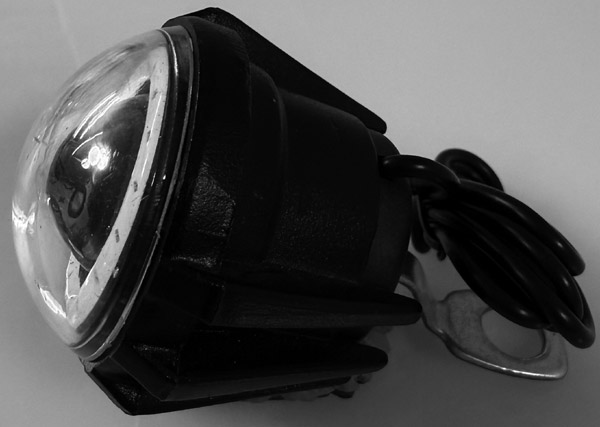
Aspheric or Fresnel lenses focus diverging rays into a tight, parallel beam that holds together downrange.
Avoid wasting IR energy lighting up ground or sky outside the camera lenss view, so you can easily match the field of view by IR camera.
High-power 940nm IR chips lose radiant flux fast when its housing hot. Using high-conductivity aluminum substrate PCB and larger diecast aluminum housings keeps junction temperatures low and output steady.
To improve heat dissipation, we suggest choosing high-transmittance PC optical materials, so fewer photons bounce back inside the housing. Use IR cameras with back-illuminated sensors built to capture near-infrared wavelengths faster.
A lower f-number lens (such as f/1.0 to f/1.4) lets more reflected IR light hit the sensor, while IR-corrected glass prevents focus shift at 940nm.
©Copyright: 2008-2026 Guangzhou TEEHON Electronics Co., LTD. 